How to Repair Damaged Nails After Acrylics – Expert Advice
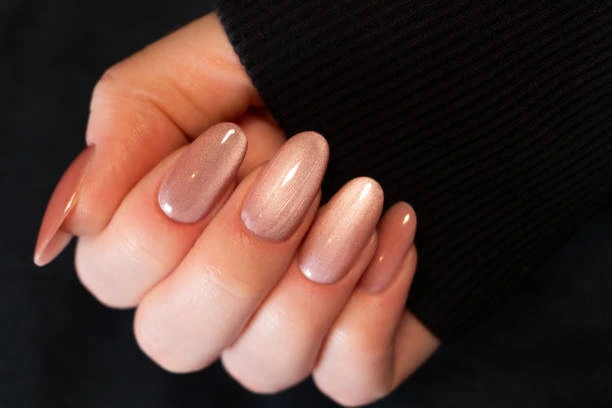
Acrylic nails can look glamorous and elevate any manicure, but improper application, overuse, or incorrect removal can leave natural nails weak, brittle, and unhealthy. Many clients now actively search for ways to repair damaged nails after acrylics, as common problems like peeling, thinning, splitting, and breakage often occur after long-term acrylic wear. At a professional acrylic nail salon, we encounter this challenge frequently.
The positive news is that Repair damaged nails can fully recover with proper care, expert guidance, and patience. This comprehensive guide shares the techniques and tips used by experienced Sydney nail technicians, helping clients understand how to rebuild their nails safely and effectively after acrylic damage while maintaining elegance and nail health throughout the recovery process.
Why Do Acrylics Damage Natural Nails?
Acrylic nails can damage natural nails mainly due to improper application, aggressive removal, and repeated use without allowing enough recovery time. During applicatio repair damaged nails, over-filing the natural nail plate weakens its structure, making nails thin, sensitive, and prone to breakage.
When acrylics are removed incorrectly, harsh acetone soaking or forceful prying can cause peeling, splitting, and significant discomfort.Without professional maintenance, correct removal techniques, and regular rest periods, long-term acrylic use may result in brittle, Repair damaged nails that struggle to regain their natural strength and healthy appearance.
Premium Gel-X Nail Services Book Luxury Gel-X Nails in Sydney
Enjoy expert nail preparation, precise shaping, and lightweight designed for long-wear comfort, natural aesthetics, and flawless salon-quality results. Every set is crafted with care to protect your natural nails while delivering an elegant, refined finish.
What Do Damaged Nails Look Like?
Clients often ask how to repair damaged nails when they begin to notice visible and uncomfortable changes in their natural nails. Common signs include white patches, which often indicate dehydration or trauma to the nail plate, and peeling layers that show the nail structure has weakened over time. Extreme thinness is another warning sign, making nails bend easily and break with minimal pressure.
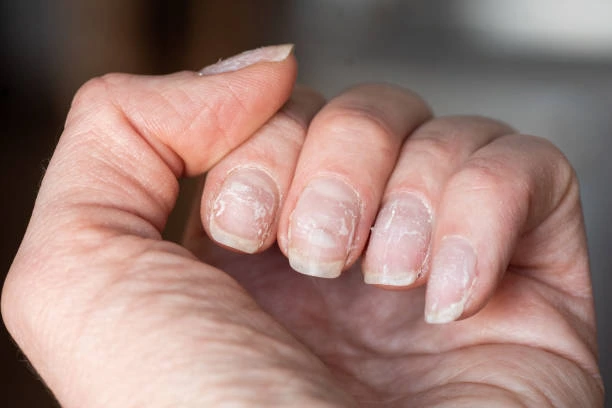
These symptoms are not just cosmetic concerns—they are clear indicators that the nails need professional nail damage treatment. Without proper care, the condition can worsen, leading to slower growth and long-term nail weakness. A professional approach focuses on restoring strength, hydration, and protection, allowing the nails to heal safely and regain their natural health.
How to Repair Thin Damaged Nails?
Repair Damaged Nails requires patience, proper care, and gentle techniques rather than quick fixes. The first step is to stop aggressive practices such as over-buffing, harsh acetone removals, and frequent acrylic or hard gel applications. These weaken the nail plate and slow recovery. Instead, opt for lightweight, breathable treatments like structured gel overlays or professional strengthening systems that protect without adding stress.
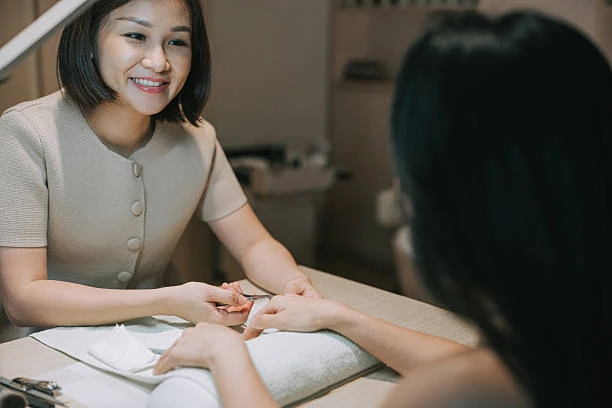
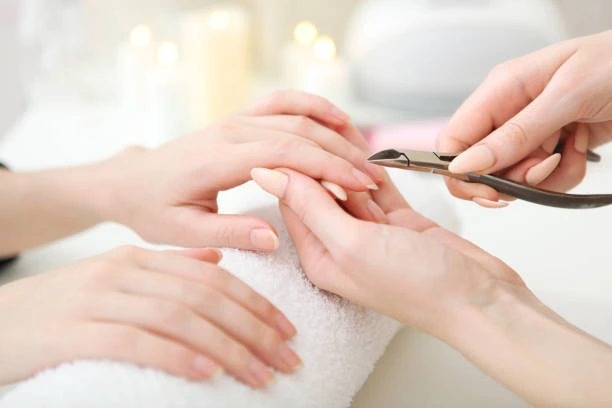
Regular cuticle care and hydration are essential—use nourishing cuticle oils daily to restore moisture and flexibility. Keep nails short during recovery to prevent breakage, and avoid using nails as tools. Professional nail technicians can assess the level of damage and recommend tailored repair treatments, ensuring safe regrowth.
Nail Strengthening Tips Used by Professionals
Epert nail strengthening tips focus on internal and external care. Strong nails require:
Recovery is a process — not an overnight fix.
Best Nail Treatment for Damaged Nails
Clients often ask professional nail salons for the best treatments for damaged or weak nails. Expert salons typically offer structured repair programs designed to restore nail health safely and effectively. These programs include strengthening treatments that reinforce the nail plate, helping prevent splitting and breakage. Rehydration therapy replenishes essential moisture and nutrients, improving flexibility and overall nail condition.
Additionally, protective overlays such as soft gel or nail shields provide a barrier against daily wear and tear while supporting natural growth. Together, these treatments work holistically to repair damaged nails integrity without causing further trauma, ensuring nails gradually become stronger, healthier, and ready for future manicures or nail enhancements.
Nail Soft Gel Tips for Recovery Phase
During the recovery phase, many clients still want their nails to look neat, polished, and well cared for without causing further damage. Soft gel nail tips are an ideal option because:
How to Fix Damaged Nails Without Causing More Harm?
Fixing damaged nails requires a gentle, structured approach that supports healing rather than causing further stress. The key is to understand the root cause of damage, reduce daily pressure on the nails, and restore moisture and strength gradually. Avoid aggressive treatments and focus on protection, hydration, and patience. With the right steps and professional guidance, nails can recover safely, regain strength, and return to a healthy, natural condition without additional harm.
Identify the Cause of Nail Damage First
The first step is understanding what caused the damage, such as overuse of acrylics, improper removal, or excessive filing. Identifying the source helps prevent repeating the same mistake and allows nail technicians to choose the safest, most effective repair treatment.
Keep Nails Short During the Healing Phase
Short nails experience less pressure and are less likely to split or break while healing. Keeping nails trimmed reduces daily stress, protects weak nail layers, and allows the natural nail to grow stronger without unnecessary strain.
Avoid Harsh Removal and Over-Filing
Harsh removal techniques and aggressive filing can worsen nail damage. Avoid peeling products off or excessive e-filing, as this strips protective layers. Gentle removal methods help preserve nail integrity and prevent further thinning.
Focus on Hydration and Nail Reconditioning
Damaged nails are often dehydrated and brittle. Regular cuticle oil, conditioning treatments, and professional rehydration therapies restore flexibility and strength, helping nails recover faster while supporting healthy, natural regrowth.
Why Sydney Nail Technicians Recommend Structured Nail Repair?
Professional nail technicians see hundreds of damaged nails every year, giving them deep insight into common mistakes and effective recovery methods. Their experience clearly shows that random home remedies and DIY treatments rarely produce lasting results and can often worsen nail damage. Without proper assessment, nails may continue to weaken, peel, or break.
Repair damaged nails treatments, guided by trained experts, focus on correct diagnosis, gentle techniques, and high-quality products tailored to each nail type. This professional approach ensures safer healing, stronger regrowth, and faster visible improvement, helping nails regain their natural strength, flexibility, and healthy appearance over time.
Final Thoughts
If you are struggling with weak, peeling, or painful nails, the solution is not hiding damage under more acrylics. If you are struggling with weak, peeling, or painful nails, the solution is not to hide the damage under more acrylics or heavy products.
While extensions may temporarily mask the problem, true recovery begins when you follow expert advice on how to properly repair damaged nails after acrylics. Professional techniques, gentle treatments, and patience are essential for long-term results.